Dean Ocean Abrams
Governor of Florida
No response yet. Questionnaire status: Questionnaire sent.
iBudget pays for support at home instead of in an institution: personal supports, respite, supported employment. There are more people who qualify than there is funding, so there is a waitlist.
Status: Funding decided each year in the state budget · Last checked October 6, 2026
Last updated October 3, 2026
The official text, straight from the government sites that publish it.
Positions come from official records and candidates' own words. We list every candidate the same way, and we say so plainly when we don't have a position yet.
Governor of Florida
No response yet. Questionnaire status: Questionnaire sent.
Governor of Florida
No response yet. Questionnaire status: Questionnaire sent.
Governor of Florida
No response yet. Questionnaire status: Not yet sent this cycle.
Governor of Florida
No response yet. Questionnaire status: Not yet sent this cycle.
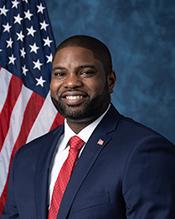
Governor of Florida
Voted yes on H.R. 1 (2025), the One Big Beautiful Bill Act. This was a catch-all budget reconciliation bill covering taxes, spending, and many areas beyond health care; this entry describes only its Medicaid provisions. Those include: a community engagement requirement of 80 hours a month of work, service, or school for adults ages 19 to 64 in the Medicaid expansion group, generally starting by January 2027, with exemptions for people who are medically frail, blind or disabled, or have an intellectual or developmental disability that significantly limits daily activities, and for caregivers of a child 13 or under or of a person with a disability; eligibility checks every 6 months for that same group; new limits on state provider taxes and state directed payments; cost sharing for some expansion adults starting October 2028; and a new option, starting July 1, 2028, for states to offer home and community-based services waivers to people who do not need an institutional level of care. U.S. House passage, May 22, 2025: passed 215-214; also voted yes to concur in the Senate amendment, July 3, 2025 (218-214). Became Public Law 119-21.
Source: Official voting record · Verified September 23, 2026
Governor of Florida
No response yet. Questionnaire status: Questionnaire sent.
Governor of Florida
In a July 2026 campaign video, with the transcript posted on his website, he says Florida has failed families with special needs for years, that the wait list for services is over 10 years, that managed care continues to reduce health benefits, and that independent living, employment, and education opportunities are scarce. He calls tackling this a central commitment of his campaign.
"A central commitment of my campaign is to tackle this crisis and give voice to what is often the most overlooked community in our state."
Source: Public statement · Verified September 23, 2026
His campaign website's issues page says Medicaid supports care for people with special needs and unique abilities, among other groups, and that Florida should expand Medicaid. The statement concerns Medicaid broadly and does not specifically address the iBudget waiver.
"Florida should commit to expanding Medicaid and ensuring healthcare for all Floridians."
Source: Public statement · Verified September 23, 2026
Governor of Florida
No response yet. Questionnaire status: Questionnaire sent.
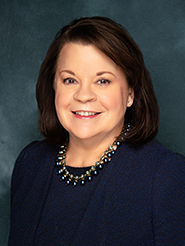
Florida Senate, District 12
Voted yes on CS/CS/HB 1517 (2023), which set timeframes for Agency for Persons with Disabilities eligibility decisions, added requirements for the developmental disabilities home and community-based services Medicaid waiver, and required licensure of adult day training programs. Senate third reading, May 1, 2023: passed 37-0. Became law as Chapter 2023-273.
Source: Official voting record · Verified September 23, 2026
Voted yes on the 2023-24 General Appropriations Act (SB 2500, 2023). This was the full state budget covering every area of state spending; this entry describes only its funding for the iBudget Home and Community Based Services Waiver, which pays for services for people with developmental disabilities, including autism. The budget passed by the Legislature included $793,255,518 in state general revenue and $1,164,433,325 in trust funds for the waiver (Specific Appropriation 241). Of that, $32,262,996 in general revenue and $47,359,404 in trust funds were set aside to enroll as many people from the waiting list as the funding allowed, with authority to use part of it for up to 600 people on the waiting list to join the developmental disabilities pilot program in Miami-Dade County, and $2,423,245 in general revenue and $3,557,123 in trust funds went to a rate increase for waiver support coordinators. Final Senate vote on the conference report, May 5, 2023: passed 38-0. Became law as Chapter 2023-239.
Source: Official voting record · Verified September 23, 2026
Voted yes on CS/CS/SB 1758 (2024), which required the Agency for Persons with Disabilities to offer care navigation and an online application, revised eligibility timeframes, and directed state agencies to plan a new home and community-based services Medicaid waiver. Senate third reading, February 7, 2024: passed 38-0. She was one of the bill's co-introducers. Became law as Chapter 2024-14.
Source: Official voting record · Verified September 23, 2026
Voted yes on the 2024-25 General Appropriations Act (HB 5001, 2024). This was the full state budget covering every area of state spending; this entry describes only its funding for the iBudget Home and Community Based Services Waiver, which pays for services for people with developmental disabilities, including autism. The budget passed by the Legislature included $869,653,265 in state general revenue and $1,170,349,708 in trust funds for the waiver (Specific Appropriation 247). Of that, $27,616,625 in general revenue and $37,165,512 in trust funds were set aside to enroll as many people from the waiting list as the funding allowed, and $7,200,000 in general revenue and $9,689,514 in trust funds were set aside to serve people in pre-enrollment category 6 who have a sibling in category 3, 4, 5, or 6. Separately, it provided $16,360,769 in general revenue and $22,017,765 in trust funds for the pilot program for individuals with developmental disabilities (Specific Appropriation 222), to enroll people on the waiver waiting list in two regions who chose to join. Final Senate vote on the conference report, March 8, 2024: passed 39-0. Became law as Chapter 2024-231.
Source: Official voting record · Verified September 23, 2026
Voted yes on CS/CS/HB 1103 (2025), which required the Agency for Persons with Disabilities to publish the number of people in each waiver priority category, created a Statewide Family Care Council, and revised the pilot program for individuals with developmental disabilities. Senate third reading, April 30, 2025: passed 37-0. Became law as Chapter 2025-130.
Source: Official voting record · Verified September 23, 2026
Voted yes on the 2025-26 General Appropriations Act (SB 2500, 2025). This was the full state budget covering every area of state spending; this entry describes only its funding for the iBudget Home and Community Based Services Waiver, which pays for services for people with developmental disabilities, including autism. The budget passed by the Legislature included $973,806,676 in state general revenue and $10,296 in trust funds for the waiver (Specific Appropriation 242). Beginning with this budget, the waiver line holds only the state share, which the Agency for Persons with Disabilities transfers each quarter to the Agency for Health Care Administration; earlier budgets also listed federal trust funds in this line, so the totals are not directly comparable. The waiver line did not set aside a separate amount for enrolling people from the waiting list. Separately, the budget provided $35,321,574 in general revenue and $47,224,754 in trust funds for the pilot program for individuals with developmental disabilities (Specific Appropriation 218), which serves people from the waiver waiting list who choose to enroll, including $18,899,399 in general revenue and $25,268,395 in trust funds for additional enrollees. It also authorized the Agency for Persons with Disabilities to use waiver funds as needed so that individuals in crisis promptly begin receiving services. Final Senate vote on the conference report, June 16, 2025: passed 34-0. Became law as Chapter 2025-198.
Source: Official voting record · Verified September 23, 2026
Voted yes on CS/CS/HB 565 (2026), which revised the statutory definition of developmental disability, required level 2 background screening for employees of residential facilities and adult day training programs, and directed the Agency for Persons with Disabilities to conduct a gap analysis. Senate third reading, March 9, 2026: passed 37-0. Became law as Chapter 2026-129.
Source: Official voting record · Verified September 23, 2026
Voted yes on the 2026-27 General Appropriations Act (HB 5001-E, passed in a May 2026 special session). This was the full state budget covering every area of state spending; this entry describes only its funding for the iBudget Home and Community Based Services Waiver, which pays for services for people with developmental disabilities, including autism. The budget passed by the Legislature included $1,018,538,080 in state general revenue for the waiver (Specific Appropriation 254). As in 2025-26, this line holds only the state share, so it is not directly comparable with budgets before 2025-26. Of that, $4,000,000 in general revenue and $6,000,000 in trust funds were provided to expand the waiver, and $10,040,746 in general revenue was held in reserve for a uniform iBudget provider rate increase. It also authorized the agency to use waiver funds as needed so that individuals in crisis promptly begin receiving services. Separately, the budget provided $62,389,784 in general revenue and $79,012,339 in trust funds for the pilot program for individuals with developmental disabilities (Specific Appropriation 230). Final Senate vote on the conference report, May 29, 2026: passed 35-0. Became law as Chapter 2026-232.
Source: Official voting record · Verified September 23, 2026
Florida Senate, District 12
No response yet. Questionnaire status: Questionnaire sent.
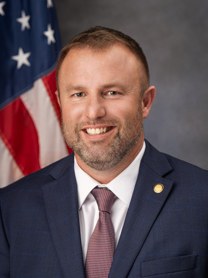
Florida House, District 48
Voted yes on CS/CS/HB 1103 (2025), which required the Agency for Persons with Disabilities to publish the number of people in each waiver priority category, created a Statewide Family Care Council, and revised the pilot program for individuals with developmental disabilities. House third reading, April 23, 2025: passed 114-0; also voted yes on final House passage, May 1, 2025 (110-0). Became law as Chapter 2025-130.
Source: Official voting record · Verified September 23, 2026
Voted yes on the 2025-26 General Appropriations Act (SB 2500, 2025). This was the full state budget covering every area of state spending; this entry describes only its funding for the iBudget Home and Community Based Services Waiver, which pays for services for people with developmental disabilities, including autism. The budget passed by the Legislature included $973,806,676 in state general revenue and $10,296 in trust funds for the waiver (Specific Appropriation 242). Beginning with this budget, the waiver line holds only the state share, which the Agency for Persons with Disabilities transfers each quarter to the Agency for Health Care Administration; earlier budgets also listed federal trust funds in this line, so the totals are not directly comparable. The waiver line did not set aside a separate amount for enrolling people from the waiting list. Separately, the budget provided $35,321,574 in general revenue and $47,224,754 in trust funds for the pilot program for individuals with developmental disabilities (Specific Appropriation 218), which serves people from the waiver waiting list who choose to enroll, including $18,899,399 in general revenue and $25,268,395 in trust funds for additional enrollees. It also authorized the Agency for Persons with Disabilities to use waiver funds as needed so that individuals in crisis promptly begin receiving services. Final House vote on the conference report, June 16, 2025: passed 103-2. Became law as Chapter 2025-198.
Source: Official voting record · Verified September 23, 2026
Voted yes on CS/CS/HB 565 (2026), which revised the statutory definition of developmental disability, required level 2 background screening for employees of residential facilities and adult day training programs, and directed the Agency for Persons with Disabilities to conduct a gap analysis. House passage, March 3, 2026: passed 110-0. Became law as Chapter 2026-129.
Source: Official voting record · Verified September 23, 2026
Voted yes on the 2026-27 General Appropriations Act (HB 5001-E, passed in a May 2026 special session). This was the full state budget covering every area of state spending; this entry describes only its funding for the iBudget Home and Community Based Services Waiver, which pays for services for people with developmental disabilities, including autism. The budget passed by the Legislature included $1,018,538,080 in state general revenue for the waiver (Specific Appropriation 254). As in 2025-26, this line holds only the state share, so it is not directly comparable with budgets before 2025-26. Of that, $4,000,000 in general revenue and $6,000,000 in trust funds were provided to expand the waiver, and $10,040,746 in general revenue was held in reserve for a uniform iBudget provider rate increase. It also authorized the agency to use waiver funds as needed so that individuals in crisis promptly begin receiving services. Separately, the budget provided $62,389,784 in general revenue and $79,012,339 in trust funds for the pilot program for individuals with developmental disabilities (Specific Appropriation 230). Final House vote on the conference report, May 29, 2026: passed 99-6. Became law as Chapter 2026-232.
Source: Official voting record · Verified September 23, 2026
Florida House, District 48
No response yet. Questionnaire status: Questionnaire sent.
Florida House, District 49
No response yet. Questionnaire status: Questionnaire sent.
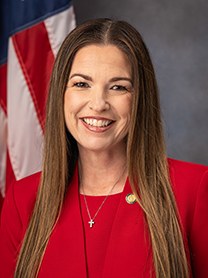
Florida House, District 49
Voted yes on CS/CS/HB 1103 (2025), which required the Agency for Persons with Disabilities to publish the number of people in each waiver priority category, created a Statewide Family Care Council, and revised the pilot program for individuals with developmental disabilities. House third reading, April 23, 2025: passed 114-0; also voted yes on final House passage, May 1, 2025 (110-0). She was the bill's House sponsor. Became law as Chapter 2025-130.
Source: Official voting record · Verified September 23, 2026
Voted yes on the 2025-26 General Appropriations Act (SB 2500, 2025). This was the full state budget covering every area of state spending; this entry describes only its funding for the iBudget Home and Community Based Services Waiver, which pays for services for people with developmental disabilities, including autism. The budget passed by the Legislature included $973,806,676 in state general revenue and $10,296 in trust funds for the waiver (Specific Appropriation 242). Beginning with this budget, the waiver line holds only the state share, which the Agency for Persons with Disabilities transfers each quarter to the Agency for Health Care Administration; earlier budgets also listed federal trust funds in this line, so the totals are not directly comparable. The waiver line did not set aside a separate amount for enrolling people from the waiting list. Separately, the budget provided $35,321,574 in general revenue and $47,224,754 in trust funds for the pilot program for individuals with developmental disabilities (Specific Appropriation 218), which serves people from the waiver waiting list who choose to enroll, including $18,899,399 in general revenue and $25,268,395 in trust funds for additional enrollees. It also authorized the Agency for Persons with Disabilities to use waiver funds as needed so that individuals in crisis promptly begin receiving services. Final House vote on the conference report, June 16, 2025: passed 103-2. Became law as Chapter 2025-198.
Source: Official voting record · Verified September 23, 2026
Voted yes on CS/CS/HB 565 (2026), which revised the statutory definition of developmental disability, required level 2 background screening for employees of residential facilities and adult day training programs, and directed the Agency for Persons with Disabilities to conduct a gap analysis. House passage, March 3, 2026: passed 110-0. Became law as Chapter 2026-129.
Source: Official voting record · Verified September 23, 2026
Voted yes on the 2026-27 General Appropriations Act (HB 5001-E, passed in a May 2026 special session). This was the full state budget covering every area of state spending; this entry describes only its funding for the iBudget Home and Community Based Services Waiver, which pays for services for people with developmental disabilities, including autism. The budget passed by the Legislature included $1,018,538,080 in state general revenue for the waiver (Specific Appropriation 254). As in 2025-26, this line holds only the state share, so it is not directly comparable with budgets before 2025-26. Of that, $4,000,000 in general revenue and $6,000,000 in trust funds were provided to expand the waiver, and $10,040,746 in general revenue was held in reserve for a uniform iBudget provider rate increase. It also authorized the agency to use waiver funds as needed so that individuals in crisis promptly begin receiving services. Separately, the budget provided $62,389,784 in general revenue and $79,012,339 in trust funds for the pilot program for individuals with developmental disabilities (Specific Appropriation 230). Final House vote on the conference report, May 29, 2026: passed 99-6. Became law as Chapter 2026-232.
Source: Official voting record · Verified September 23, 2026
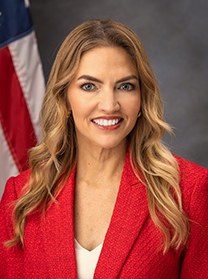
Florida House, District 50
Voted yes on CS/HB 831 (2023), which would have required the Agency for Health Care Administration to create a Medicaid managed care pilot program providing comprehensive services to individuals with developmental disabilities in specified regions, run in consultation with the Agency for Persons with Disabilities. House passage, April 27, 2023: passed 115-0. The bill itself died in the Senate; the Legislature's record lists SB 2510 (Chapter 2023-243) as a companion bill that passed.
Source: Official voting record · Verified September 24, 2026
Voted yes on CS/CS/HB 1517 (2023), which set timeframes for Agency for Persons with Disabilities eligibility decisions, added requirements for the developmental disabilities home and community-based services Medicaid waiver, and required licensure of adult day training programs. House passage, April 28, 2023: passed 109-0. Became law as Chapter 2023-273.
Source: Official voting record · Verified September 23, 2026
Voted yes on the 2023-24 General Appropriations Act (SB 2500, 2023). This was the full state budget covering every area of state spending; this entry describes only its funding for the iBudget Home and Community Based Services Waiver, which pays for services for people with developmental disabilities, including autism. The budget passed by the Legislature included $793,255,518 in state general revenue and $1,164,433,325 in trust funds for the waiver (Specific Appropriation 241). Of that, $32,262,996 in general revenue and $47,359,404 in trust funds were set aside to enroll as many people from the waiting list as the funding allowed, with authority to use part of it for up to 600 people on the waiting list to join the developmental disabilities pilot program in Miami-Dade County, and $2,423,245 in general revenue and $3,557,123 in trust funds went to a rate increase for waiver support coordinators. Final House vote on the conference report, May 5, 2023: passed 111-0. Became law as Chapter 2023-239.
Source: Official voting record · Verified September 23, 2026
Voted yes on CS/CS/SB 1758 (2024), which required the Agency for Persons with Disabilities to offer care navigation and an online application, revised eligibility timeframes, and directed state agencies to plan a new home and community-based services Medicaid waiver. House passage, March 6, 2024: passed 114-0. Became law as Chapter 2024-14.
Source: Official voting record · Verified September 23, 2026
Voted yes on the 2024-25 General Appropriations Act (HB 5001, 2024). This was the full state budget covering every area of state spending; this entry describes only its funding for the iBudget Home and Community Based Services Waiver, which pays for services for people with developmental disabilities, including autism. The budget passed by the Legislature included $869,653,265 in state general revenue and $1,170,349,708 in trust funds for the waiver (Specific Appropriation 247). Of that, $27,616,625 in general revenue and $37,165,512 in trust funds were set aside to enroll as many people from the waiting list as the funding allowed, and $7,200,000 in general revenue and $9,689,514 in trust funds were set aside to serve people in pre-enrollment category 6 who have a sibling in category 3, 4, 5, or 6. Separately, it provided $16,360,769 in general revenue and $22,017,765 in trust funds for the pilot program for individuals with developmental disabilities (Specific Appropriation 222), to enroll people on the waiver waiting list in two regions who chose to join. Final House vote on the conference report, March 8, 2024: passed 105-3. Became law as Chapter 2024-231.
Source: Official voting record · Verified September 23, 2026
Voted yes on CS/CS/HB 1103 (2025), which required the Agency for Persons with Disabilities to publish the number of people in each waiver priority category, created a Statewide Family Care Council, and revised the pilot program for individuals with developmental disabilities. House third reading, April 23, 2025: passed 114-0; also voted yes on final House passage, May 1, 2025 (110-0). Became law as Chapter 2025-130.
Source: Official voting record · Verified September 23, 2026
Voted yes on the 2025-26 General Appropriations Act (SB 2500, 2025). This was the full state budget covering every area of state spending; this entry describes only its funding for the iBudget Home and Community Based Services Waiver, which pays for services for people with developmental disabilities, including autism. The budget passed by the Legislature included $973,806,676 in state general revenue and $10,296 in trust funds for the waiver (Specific Appropriation 242). Beginning with this budget, the waiver line holds only the state share, which the Agency for Persons with Disabilities transfers each quarter to the Agency for Health Care Administration; earlier budgets also listed federal trust funds in this line, so the totals are not directly comparable. The waiver line did not set aside a separate amount for enrolling people from the waiting list. Separately, the budget provided $35,321,574 in general revenue and $47,224,754 in trust funds for the pilot program for individuals with developmental disabilities (Specific Appropriation 218), which serves people from the waiver waiting list who choose to enroll, including $18,899,399 in general revenue and $25,268,395 in trust funds for additional enrollees. It also authorized the Agency for Persons with Disabilities to use waiver funds as needed so that individuals in crisis promptly begin receiving services. Final House vote on the conference report, June 16, 2025: passed 103-2. Became law as Chapter 2025-198.
Source: Official voting record · Verified September 23, 2026
Voted yes on CS/CS/HB 565 (2026), which revised the statutory definition of developmental disability, required level 2 background screening for employees of residential facilities and adult day training programs, and directed the Agency for Persons with Disabilities to conduct a gap analysis. House passage, March 3, 2026: passed 110-0. Became law as Chapter 2026-129.
Source: Official voting record · Verified September 23, 2026
Voted yes on the 2026-27 General Appropriations Act (HB 5001-E, passed in a May 2026 special session). This was the full state budget covering every area of state spending; this entry describes only its funding for the iBudget Home and Community Based Services Waiver, which pays for services for people with developmental disabilities, including autism. The budget passed by the Legislature included $1,018,538,080 in state general revenue for the waiver (Specific Appropriation 254). As in 2025-26, this line holds only the state share, so it is not directly comparable with budgets before 2025-26. Of that, $4,000,000 in general revenue and $6,000,000 in trust funds were provided to expand the waiver, and $10,040,746 in general revenue was held in reserve for a uniform iBudget provider rate increase. It also authorized the agency to use waiver funds as needed so that individuals in crisis promptly begin receiving services. Separately, the budget provided $62,389,784 in general revenue and $79,012,339 in trust funds for the pilot program for individuals with developmental disabilities (Specific Appropriation 230). Final House vote on the conference report, May 29, 2026: passed 99-6. Became law as Chapter 2026-232.
Source: Official voting record · Verified September 23, 2026
Florida House, District 50
In his Ballotpedia candidate survey, he says his top priority will be children with special needs and people with disabilities, and that Florida's disability-service system has left thousands of people waiting for support, some for more than a decade.
"Our top priority will be special needs children and people with disabilities."
Source: Public statement · Verified September 23, 2026
Florida House, District 50
No response yet. Questionnaire status: Questionnaire sent.
Florida House, District 51
No response yet. Questionnaire status: Questionnaire sent.
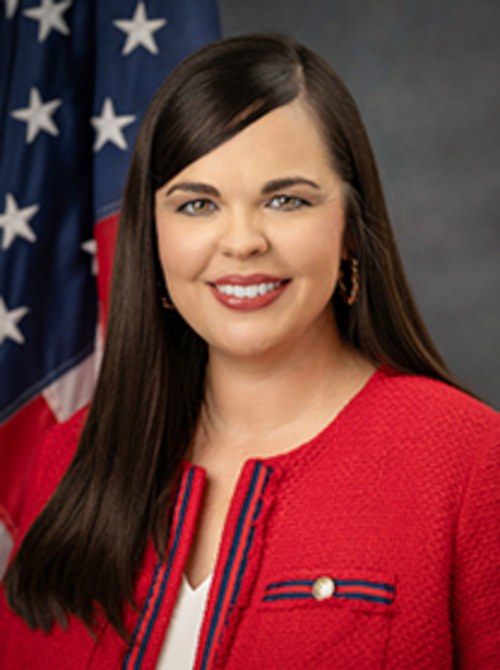
Florida House, District 51
Voted yes on the 2026-27 General Appropriations Act (HB 5001-E, passed in a May 2026 special session). This was the full state budget covering every area of state spending; this entry describes only its funding for the iBudget Home and Community Based Services Waiver, which pays for services for people with developmental disabilities, including autism. The budget passed by the Legislature included $1,018,538,080 in state general revenue for the waiver (Specific Appropriation 254). As in 2025-26, this line holds only the state share, so it is not directly comparable with budgets before 2025-26. Of that, $4,000,000 in general revenue and $6,000,000 in trust funds were provided to expand the waiver, and $10,040,746 in general revenue was held in reserve for a uniform iBudget provider rate increase. It also authorized the agency to use waiver funds as needed so that individuals in crisis promptly begin receiving services. Separately, the budget provided $62,389,784 in general revenue and $79,012,339 in trust funds for the pilot program for individuals with developmental disabilities (Specific Appropriation 230). Final House vote on the conference report, May 29, 2026: passed 99-6. Became law as Chapter 2026-232.
Source: Official voting record · Verified September 23, 2026
U.S. House, District 18
Voted yes on H.R. 1 (2025), the One Big Beautiful Bill Act. This was a catch-all budget reconciliation bill covering taxes, spending, and many areas beyond health care; this entry describes only its Medicaid provisions. Those include: a community engagement requirement of 80 hours a month of work, service, or school for adults ages 19 to 64 in the Medicaid expansion group, generally starting by January 2027, with exemptions for people who are medically frail, blind or disabled, or have an intellectual or developmental disability that significantly limits daily activities, and for caregivers of a child 13 or under or of a person with a disability; eligibility checks every 6 months for that same group; new limits on state provider taxes and state directed payments; cost sharing for some expansion adults starting October 2028; and a new option, starting July 1, 2028, for states to offer home and community-based services waivers to people who do not need an institutional level of care. U.S. House passage, May 22, 2025: passed 215-214; also voted yes to concur in the Senate amendment, July 3, 2025 (218-214). Became Public Law 119-21.
Source: Official voting record · Verified September 23, 2026
U.S. House, District 18
No response yet. Questionnaire status: Questionnaire sent.

U.S. House, District 18
Says she supports increasing funding for the iBudget Medicaid waiver and reducing the waitlist, along with greater waitlist transparency, improved provider reimbursement, and workforce development.
"I support increasing funding for Florida’s iBudget Medicaid waiver and taking meaningful steps to reduce the waitlist. I have worked with children and families with developmental disabilities, and I know that having a service “available” on paper means very little if a family has to wait years to actually receive it. The iBudget waiver provides important services that help people with disabilities live, work, and participate in their communities. Those services can also provide families with the support they need to continue caring for their loved ones at home. I would support sustainable funding, greater transparency about the waitlist, improved reimbursement for qualified providers, and workforce development so there are enough professionals available to deliver these services. We need to remember the person behind every number on that waiting list. These are children, adults, parents, grandparents, and caregivers whose lives are affected every day. My approach is simple: if we say we value people with disabilities, our funding and policies should demonstrate it."
Source: Candidate questionnaire · Verified October 3, 2026
Polk County School Board, District 3
No response yet. Questionnaire status: Questionnaire sent.
Polk County School Board, District 3
No response yet. Questionnaire status: Questionnaire sent.
Polk County School Board, District 5
No response yet. Questionnaire status: Questionnaire sent.
Polk County School Board, District 6
No response yet. Questionnaire status: Questionnaire sent.
Polk County School Board, District 7
No response yet. Questionnaire status: Questionnaire sent.
Our Walk in prepared sheet for this situation is on the way. It will tell you what the law says, what to ask, and what to bring.